Facial acupuncture, facial gua sha and moxibustion are different TCM methods, and they are not interchangeable. Before you book, check who is registered to practise, what a session actually involves, and who should wait. This is an informational checklist, not a ranking of clinics and not a promise of a change in appearance.
1. Check that the practitioner is registered
In Malaysia, traditional Chinese medicine is one of the recognised practice areas under the Traditional and Complementary Medicine Act 2016 (Act 775). Registration under that Act is mandatory for practitioners in recognised practice areas, and the T&CM Council regulates those services. Ask for the practitioner’s registration, and be cautious of training that is not recognised by the T&CM Council, MQA or the Department of Skills Development. A clinic page that says its practitioners are KKM-registered is a starting claim. You can still ask to see how that registration is recorded.
2. Ask what a facial acupuncture session actually involves
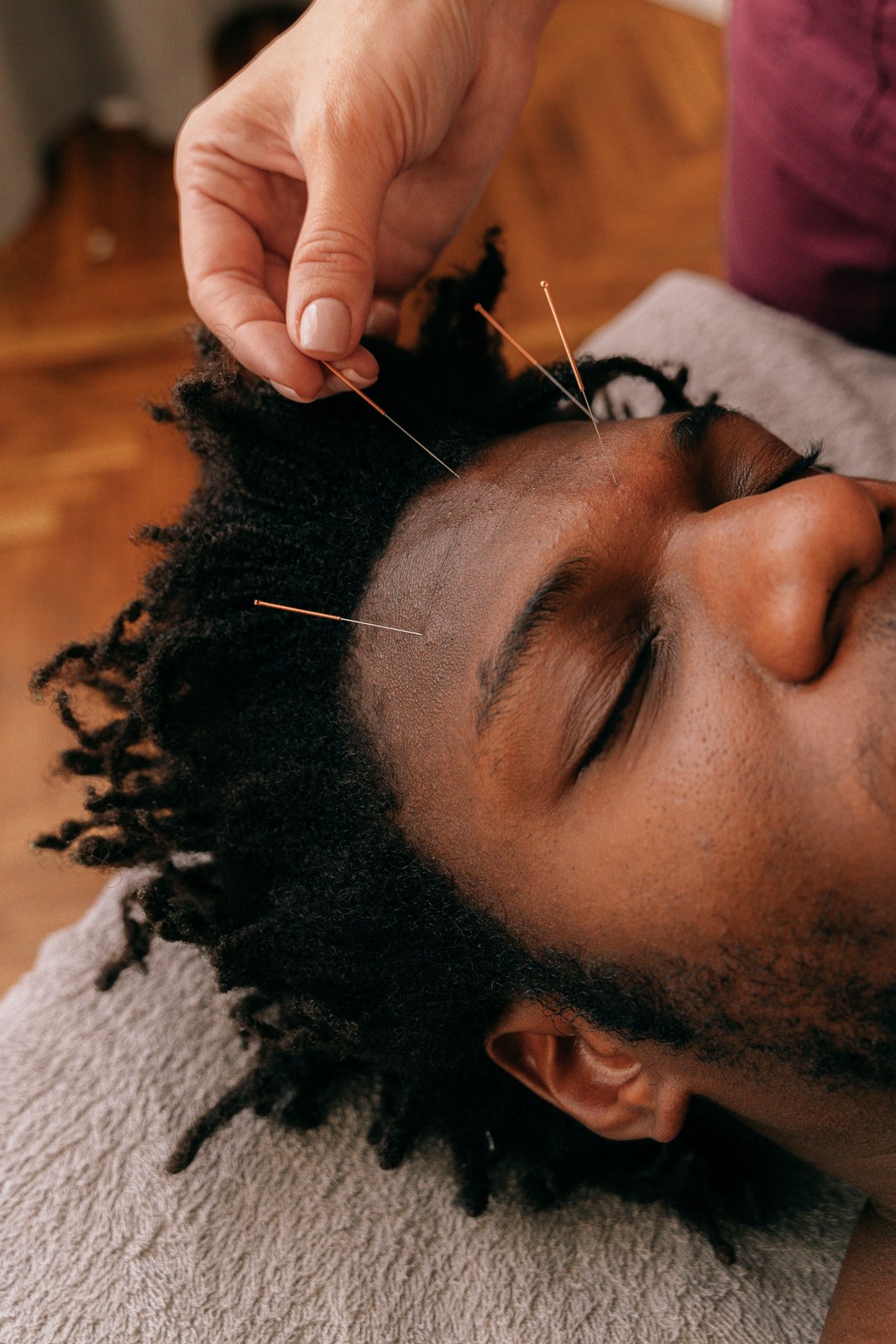
This outline of a facial acupuncture session describes a first visit that begins with a TCM consultation, including health history, sleep, digestion, and a tongue and pulse examination, before any needles are used. During the session, the practitioner places fine, sterile, single-use needles at selected points on the face, scalp, neck and body, then you rest for 20 to 30 minutes. The whole appointment is listed as 45 to 60 minutes. Mild flushing or redness at needle points may appear and typically fades within a few hours. The same page advises avoiding heavy makeup, intense heat and direct sun for the rest of the day. Facial acupuncture is not an injectable cosmetic procedure. The needles work in a different way from medicines that relax a muscle or add volume, and recent fillers or facial surgery should be declared during the assessment.
3. See how facial gua sha differs from a home tool routine
A home gua sha stone is not automatically the same as a clinic session. A clinic description of facial gua sha lists a 50-minute appointment using smooth jade or stone tools on the face and neck. Pressure is described as gentle, lighter than body gua sha. The same page also describes facial BoJin as a deeper, related technique that uses a different instrument. Ask which method is being offered, how tools are sanitised between clients, and whether the person using the tool is the registered practitioner. Temporary flushing can occur. Significant bruising is not a goal, and you should say so if a practitioner seems to be pressing harder than you can comfortably accept.
4. Ask whether moxibustion even belongs in the plan
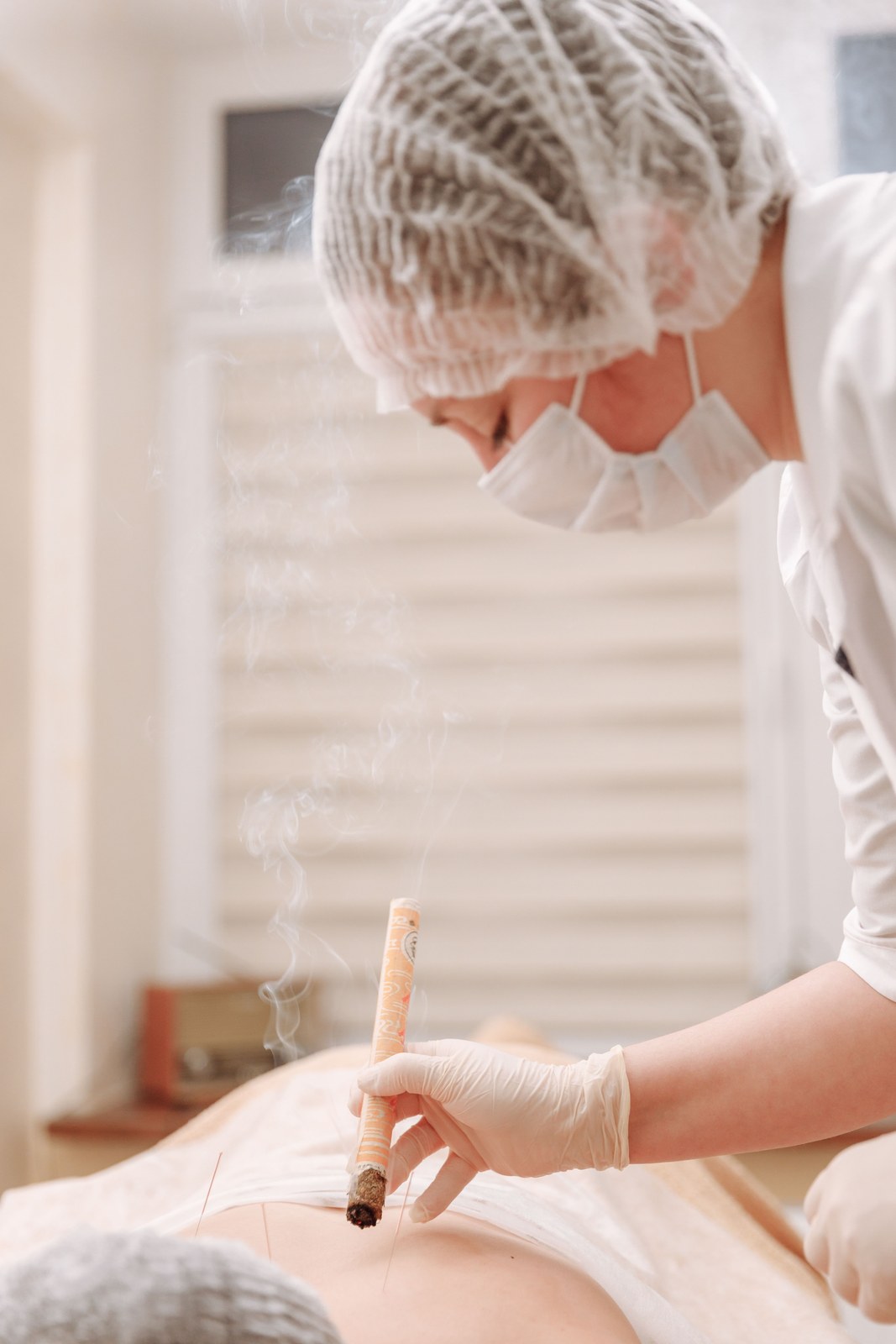
Moxibustion is the use of heat from burning dried mugwort near acupuncture points. It is not automatically a facial treatment. Xi TCM’s notes on moxa stick, box and needle methods describe a 20 to 30 minute session. A moxa stick is hovered near the skin without direct contact and is often used on larger areas such as the lower back, shoulders or abdomen. A moxa box sits over a broader area. Moxa on a needle combines needling with heat. Ask why moxa is being suggested for your case, which method would be used, and how the practitioner watches for excess heat. A session may be recommended for cold-type discomfort, joint or lower back stiffness, or digestive complaints. That is a different decision from booking facial work.
5. Who should postpone or skip a session
Facial acupuncture and facial gua sha pages typically advise extra caution in pregnancy or when pregnancy is being planned, when someone is taking blood-thinning medicine, when there is a bleeding disorder or broken skin, after recent cosmetic injections, fillers or facial surgery (a gap of about four weeks is often suggested), and when there is an active skin infection, an open wound or badly inflamed acne in the treatment area. For moxibustion, caution also applies in fever or acute inflammation, high blood pressure, pregnancy (some points are avoided), numb or very sensitive skin, and diabetes, because reduced heat sensation can raise the risk of burns. These are reasons to tell the practitioner everything relevant, and to get medical advice when a condition is already under a doctor’s care. They are not a diagnosis in an article. The Ministry of Health’s Traditional and Complementary Medicine Division publishes official guidance on recognised practice areas and registration.
6. Confirm hygiene, single-use needles and aftercare
If needles are part of the plan, they should be sterile and single-use. The U.S. National Center for Complementary and Integrative Health, in its page on acupuncture effectiveness and safety, notes that acupuncture can cause serious harm if it is not delivered properly, including infections, and that the U.S. Food and Drug Administration requires acupuncture needles to be sterile and labelled for single use only. In a Malaysian clinic, ask to see new needles opened in front of you, and ask how gua sha tools or moxa equipment are cleaned. After facial work, mild redness that fades in a few hours is commonly described. Persistent pain, a burn, or unexpected bruising should be reported rather than waited out in silence.
A short Mayo Clinic explainer on how acupuncture is used in a clinical setting. It discusses acupuncture for nausea, not facial work, and is included here as a neutral introduction to needling, not as a claim about skin or appearance.
7. Read session counts and fees without outcome promises
Clinics are often asked how many sessions someone “needs”. The honest answer depends on the complaint, on whether it is long-standing, and on how the person responds, and no article can fix that number in advance. Be wary of packages that are sold around a promised change in appearance. Ask what a single session costs, what is included in the consultation, what happens if you need to stop, and how aftercare is handled. Compare that information with the registration and safety checks above. The aim is a clear, cautious booking, not a ranked list of clinics.